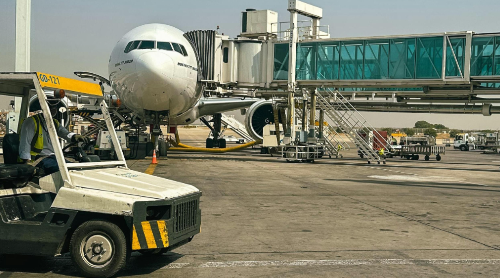
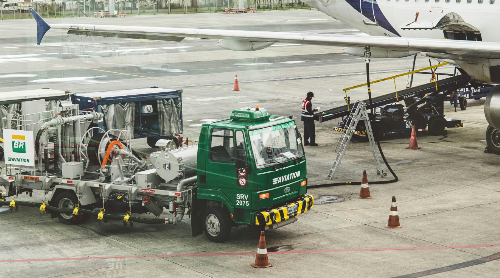
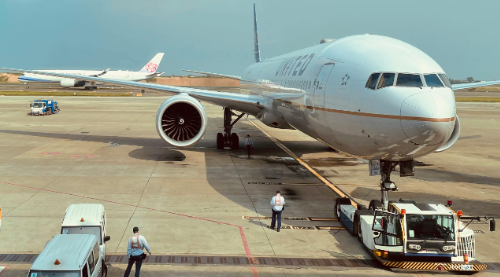
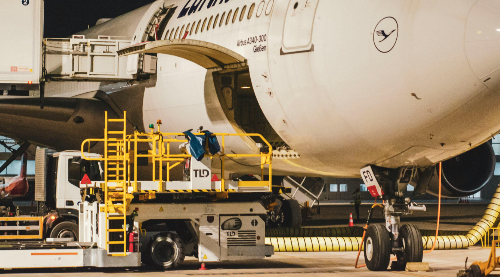
In Australia, most domestic air cargo does not move on aircraft designed solely for freight. Understanding where and how cargo actually travels is essential for assessing reliability, capacity, and operational risk.
Domestic shipments move across two primary aircraft categories:
Passenger Aircraft Belly Space
Dedicated Freighter Aircraft
Each category carries distinct operational implications.
Passenger Aircraft: Hidden Cargo Carriers
The majority of domestic air cargo travels in the belly holds of passenger aircraft. This arrangement appears efficient, leveraging existing flights and infrastructure, but introduces a complex web of dependencies:
Space competition: Belly holds are shared with passenger baggage, crew equipment, and fuel considerations.
Variable availability: Passenger loads fluctuate daily, affecting available cargo space.
Dimensional constraints: Odd-sized or heavy shipments may be refused or delayed.
Schedule sensitivity: Passenger flights operate on fixed schedules with limited flexibility for cargo adjustments.
While these aircraft provide high frequency and connectivity, cargo capacity is conditional, not guaranteed. Missed alignment with cutoff times, handling windows, or aircraft availability can push shipments into the next operational cycle.
Dedicated Freighter Aircraft: Predictable Payload, Limited Frequency
Freighter aircraft are designed exclusively for cargo, allowing:
However, freighters operate on a narrower set of routes and schedules. They prioritise volume over frequency, which means:
Fewer opportunities for same-day shipment
Dependence on schedule alignment for time-critical cargo
Requirement for precise planning around airport and aircraft compatibility
Freighters reduce uncertainty in payload acceptance but increase reliance on strict scheduling. Missing a freighter flight often results in significant delay.
Regional Turboprops and Remote Sector Operations
Smaller turboprop aircraft support regional and remote airstrips, connecting mining sites, agricultural hubs, and isolated communities. Constraints in this segment include:
Runway length limitations
Weight and balance sensitivity
Weather exposure and seasonal variability
Cargo planning here focuses on viability rather than speed. Aircraft choice dictates whether the shipment moves at all.
Choosing the Right Aircraft for Domestic Cargo
Operational outcomes depend on understanding the interplay between passenger flights and freighters:
Passenger aircraft provide frequency, network reach, and flexibility for standard cargo.
Freighters offer predictability, volume handling, and specialised load capability.
Regional turboprops ensure access where alternatives do not exist but impose strict operational limits.
Experienced operators plan based on aircraft type, not route alone. A shipment may appear identical on paper but behave differently depending on its assigned aircraft.
Implications for Reliability and Planning
Cargo does not simply “fly” in Australia; it is assigned to aircraft types based on capacity, compatibility, and timing. Understanding the underlying aircraft dynamics allows operators to:
In practice, reliability is not about faster service—it is about structural alignment between aircraft type, route, and operational system. Recognising the roles of passenger flights, freighters, and regional turboprops is central to mastering domestic air cargo networks.